




The Complete Guide to Broach Cutters: Precision, Applications, and Best Practices
What Is a Broach Cutter?
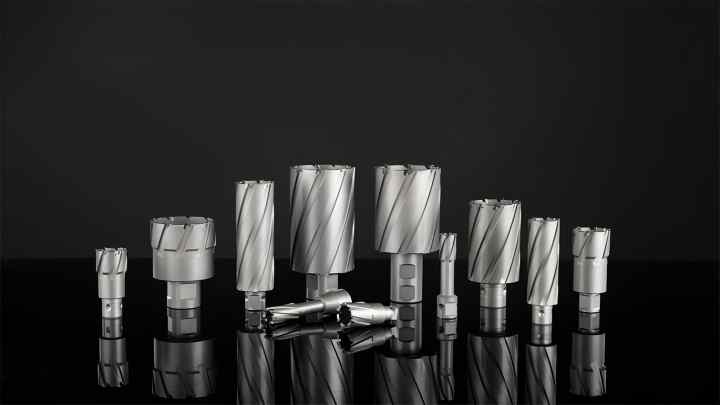
A broach cutter is a multi-tooth cutting tool used in broaching operations to remove material in a linear motion. Unlike other cutting tools that require multiple passes, a broach cutter can create complex shapes such as keyways, splines, and gear teeth in a single, smooth stroke. The tool consists of a series of progressively higher teeth, each designed to cut a specific amount of material, resulting in high precision and excellent surface finish.
Types of Broach Cutters
Broach cutters are classified based on their design and application. The two main categories are internal broaches and external broaches. Internal broaches are used to cut holes or internal profiles, while external broaches shape outer surfaces. Additionally, broaches can be surface broaches for flat surfaces, pot broaches for round holes, or keyway broaches for cutting key slots. Each type is tailored to specific materials and tolerances.
Key Materials and Coatings
The performance of a broach cutter depends heavily on its material and coating. High-speed steel (HSS) and carbide are common base materials, with HSS offering toughness and carbide providing wear resistance. Coatings like TiN (titanium nitride) or TiAlN (titanium aluminum nitride) can dramatically extend tool life by reducing friction and heat. Selecting the right material and coating for your workpiece (e.g., steel, aluminum, or titanium) is crucial for optimal results.
Applications in Various Industries
Broach cutters are essential in industries requiring high-volume production of precise components. In automotive manufacturing, they produce gear teeth and splines for transmissions. The aerospace industry uses broaches for turbine discs and landing gear components. Other applications include hydraulic systems, firearms, and medical devices. The ability to produce consistent, tight-tolerance parts makes broaching a preferred method for mass production.
How to Choose the Right Broach Cutter
Selecting a broach cutter involves evaluating several factors: material of the workpiece, desired tolerance, production volume, and machine capability. For example, a keyway broach for a steel shaft would require a specific tooth geometry and coating. Consult with tooling specialists to ensure the broach cutter matches your operation’s speed, feed rate, and coolant requirements. Proper selection minimizes tool wear and maximizes productivity.
Best Practices for Broaching Operations
To achieve optimal performance, follow these guidelines: use adequate coolant to reduce heat and flush chips; maintain consistent cutting speed and feed; regularly inspect teeth for wear or chipping; and ensure the workpiece is securely clamped. Pre-machining operations, such as drilling a pilot hole for internal broaches, can also improve accuracy. Proper tool handling and storage prevent damage to the delicate cutting edges.
Maintenance and Sharpening
Regular maintenance extends the life of a broach cutter. Cleaning after each use removes debris that can cause corrosion. Sharpening should be performed by professionals using specialized grinding equipment to maintain the correct tooth geometry. Sharpening intervals depend on usage but typically occur after a certain number of parts or when surface quality declines. Recoating may also restore performance. Always refer to manufacturer guidelines for specific maintenance protocols.
常见问题
What is the difference between broaching and other machining processes?Broaching removes material in a single pass using a multi-tooth tool, whereas processes like milling or grinding require multiple passes. Broaching offers higher productivity and better surface finish for repetitive, high-precision operations.
How long does a broach cutter typically last?Tool life varies based on material, coating, and operating conditions. A well-maintained HSS broach can produce thousands of parts, while carbide broaches may last longer but are more brittle. Regular inspection is key to avoiding premature failure.
Can broach cutters be used on hardened materials?Yes, but with caution. Hardened materials require broaches made from carbide or coated with advanced materials. Lower cutting speeds and adequate cooling are essential to prevent excessive wear or breakage.