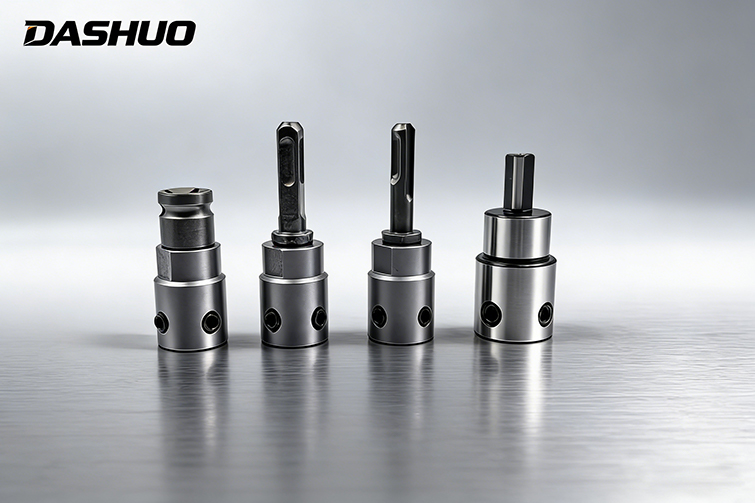





Mastering Metal Drilling: The Ultimate Guide to Hollow Drill Bits for Metal
What Are Hollow Drill Bits for Metal?
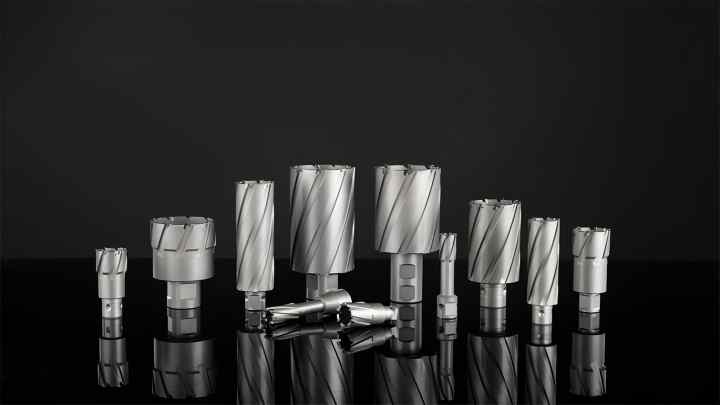
Hollow drill bits for metal, also known as annular cutters or core drills, are cylindrical tools designed to cut a circular hole by removing only the outer ring of material, leaving a solid core. Unlike conventional twist drills, they feature a hollow center that allows chips to evacuate easily, reducing friction and heat. This design makes them ideal for drilling in steel, stainless steel, aluminum, and other metals, especially in applications requiring precise, large-diameter holes.
Key Advantages Over Traditional Twist Drills
When compared to standard twist drills, hollow drill bits offer several distinct benefits. First, they require significantly less thrust force because the cutting action is concentrated on the perimeter, meaning you can achieve larger holes with smaller, more portable machines. Second, chip removal is far more efficient—the hollow center acts as a channel, pushing chips out of the hole rather than packing them in. This reduces the risk of jamming and tool breakage. Third, they produce cleaner holes with less burring, often eliminating the need for secondary finishing operations. Finally, the cutting speed can be higher because less material is being removed, leading to faster cycle times.
How to Choose the Right Hollow Drill Bit
Selecting the correct hollow drill bit depends on several factors. Material type is crucial: for hard metals like stainless steel, choose bits with carbide cutting edges; for softer metals like aluminum, high-speed steel (HSS) may suffice. Coating also matters—titanium nitride (TiN) or titanium aluminum nitride (TiAlN) coatings enhance wear resistance and reduce friction. Cutting diameter and depth must match your workpiece; hollow bits typically have a depth limit equal to the bit's diameter. Additionally, shank type should be compatible with your drill or magnetic base machine: common shanks include Weldon, SDS, and 3/4-inch round. Always check the manufacturer's recommended speed and feed rates to avoid overheating or premature dulling.
Step-by-Step Drilling Technique
To achieve optimal results with hollow drill bits, follow these steps: 1. Secure the workpiece using clamps or a vise to prevent movement. 2. Use proper cutting fluid—apply a generous amount of metal-cutting oil or coolant to reduce heat and lubricate the cutting edges. 3. Set the correct RPM: for steel, around 150-250 SFM (surface feet per minute); for aluminum, 300-400 SFM. Lower speeds for harder materials. 4. Start drilling with steady, even pressure; let the bit do the work—excessive force can cause chattering or breakage. 5. Clear chips periodically by withdrawing the bit if necessary, though hollow bits often self-clear. 6. For through holes, reduce pressure as the bit exits to prevent burring. If using a magnetic base drill, ensure the magnet is engaged and the machine is stable.
Common Applications in Metalworking
Hollow drill bits are widely used in various industries. In construction and structural steel, they create holes for bolts, anchors, and cable trays. In automotive repair, they are used for drilling out rusted bolts or creating access holes. Manufacturing and fabrication shops rely on them for precision holes in machine frames, brackets, and hydraulic components. Shipbuilding and aerospace also utilize annular cutters for drilling aluminum and titanium alloys, where chip control is critical. Their ability to drill clean holes in hard-to-machine materials makes them indispensable.
Maintenance and Sharpening Tips
To extend the life of your hollow drill bits, proper maintenance is key. Clean the bit after each use to remove metal chips and debris. Inspect cutting edges regularly for signs of wear, chipping, or rounding. Re-sharpen when necessary—hollow bits can be sharpened on a tool grinder using dedicated fixtures. Avoid overheating during sharpening, as it can soften the cutting edges. Store bits in a dry, organized holder to prevent contact with other tools that could cause damage. Using a protective coating like a light oil can prevent rust on HSS bits.
Safety Precautions
Working with metal and power tools requires caution. Always wear safety glasses and hearing protection. Use gloves when handling sharp tools, but remove gloves when operating the drill to avoid entanglement. Secure loose clothing and tie back long hair. Ensure the drill is unplugged when changing bits. Beware of hot chips and lubricant splashes—use a chip shield if necessary. Never force the drill; if it stalls, release the trigger and investigate the cause. Finally, keep the work area clean and free of clutter to prevent trips and falls.
Troubleshooting Common Problems
Even with proper technique, issues can arise. If the bit cuts slowly or generates excessive heat, check the speed—reduce RPM if too high. If chips are not evacuating, the coolant flow may be insufficient; increase lubrication or clear the flutes manually. If the bit wanders or drills off-center, ensure the workpiece is flat and the drill is perpendicular; use a center punch to start the hole. If the cutting edges chip or break, reduce feed pressure and check for hard spots in the material. If the shank slips in the chuck, clean the shank and tighten the chuck properly. For magnetic base drills, ensure the magnet has full contact and the surface is clean.
Common Questions About Hollow Drill Bits for Metal
Can I use a hollow drill bit in a standard handheld drill?While possible, it is not recommended for larger diameters due to the high torque required. Hollow bits are best used with magnetic base drills or drill presses that provide stability and consistent feed. Handheld drills may cause binding or injury.
What is the difference between a hollow drill bit and a hole saw?A hole saw has teeth on the edge and a center pilot bit, while a hollow drill bit (annular cutter) cuts with a continuous carbide or HSS edge and does not require a pilot. Hollow bits produce more precise holes and can handle thicker materials compared to typical hole saws.
How deep can a hollow drill bit cut?Typically, the depth of cut is limited to the length of the cutting portion, which is usually around 1 inch (25 mm) for common sizes. For deeper holes, you may need a longer bit or multiple passes, though some specialty bits offer greater depth.
Do I need to pre-drill a pilot hole?No, hollow drill bits are designed to start on a flat surface without a pilot hole. However, for very large diameters or hard materials, a small center punch mark can help prevent wandering.