




Unlocking the Power of Mag Drill Bits: A Comprehensive Guide
What Are Mag Drill Bits?
Mag drill bits are cutting tools designed specifically for use with magnetic drilling machines. These machines use a strong electromagnet to attach to ferrous metal surfaces, providing stability and allowing for precise drilling in vertical, horizontal, or overhead positions. The bits themselves come in various configurations, each suited for different applications.
Types of Mag Drill Bits
Understanding the different types of mag drill bits is crucial for selecting the right tool. The most common types include:
Twist Drill Bits: Standard spiral fluted bits used for general-purpose drilling. They require a pilot hole for larger diameters.
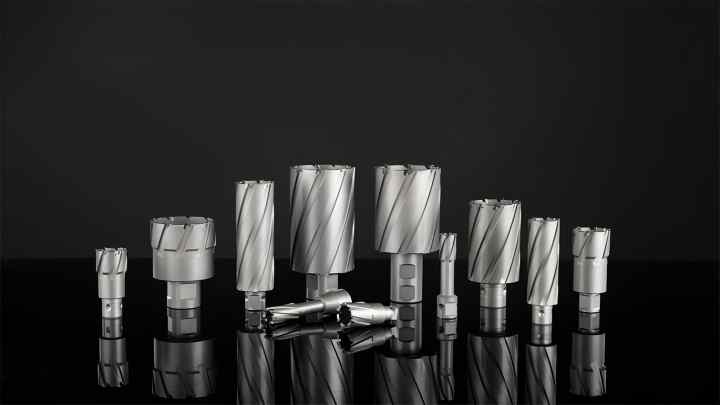
Annular Cutters: Also known as broach cutters, these bits cut a ring-shaped hole, leaving a solid core (slug) inside. They are faster and more efficient than twist bits for diameters over 12 mm (1/2 inch) and produce cleaner holes.
Step Drill Bits: Cone-shaped bits with multiple stepped diameters, ideal for drilling thin material or enlarging existing holes.
Combination Drill and Tap Bits: These allow drilling and tapping in one operation, saving time in threaded hole applications.
Choosing the Right Mag Drill Bit
Selection depends on material thickness, hole diameter, and desired finish. For thin steel (under 5 mm), step drill bits or annular cutters work well. For thicker materials, annular cutters are preferred due to their speed and lower power consumption. Twist drill bits are best for smaller holes (under 12 mm) when a standard drill is used, but on a mag drill, annular cutters are more efficient for larger holes.
Coatings matter: TiN (Titanium Nitride) coating reduces friction and extends tool life. Cobalt steel bits are ideal for hard materials like stainless steel. Always match the bit's cutting edge to the material grade.
Best Practices for Using Mag Drill Bits
To maximize performance and safety, follow these tips:
Secure the Base: Ensure the magnetic base has clean contact with the workpiece. Use a safety chain to prevent the machine from falling if the magnet loses power.
Use Cutting Fluid: Apply appropriate coolant (oil-based for steel, synthetic for aluminum) to reduce heat and prolong bit life. Never drill dry, as it can cause tool failure.
Adjust Feed and Speed: Follow manufacturer recommendations for revolutions per minute (RPM) and feed rate. Too fast can cause overheating; too slow may chatter.
Clear Chips: For annular cutters, remove the slug periodically to avoid jamming. Use a chip shield or vacuum for safety.
Inspect Bits Regularly: Check for wear or damage. Dull bits increase friction and strain on the machine. Sharpen or replace as needed.
Common Applications
Mag drill bits are widely used in construction (steel beam drilling for bolt holes), shipbuilding (hull repairs), bridge maintenance, and industrial fabrication. They are also common in automotive repair for drilling frames or chassis. The portability of magnetic drills makes them invaluable for on-site work.
Maintenance Tips
Store bits in a dry place to prevent rust. Clean after each use, especially if cutting fluid residue is present. Use a protective coating or oil for long-term storage. For annular cutters, sharpen the teeth with a dedicated cutter grinder to maintain tolerance.
Frequently Asked Questions
Can mag drill bits be used on non-ferrous metals?
Yes, but the magnetic base won't attach. You must use a vacuum base or clamp the machine to the workpiece. For aluminum, use sharp bits with high spindle speed.
What is the difference between a twist drill and an annular cutter?
A twist drill produces a solid hole by removing all material, while an annular cutter cuts only the perimeter, leaving a solid core. Annular cutters are faster, require less power, and produce straighter holes in thick material.
How do I prevent the mag drill from slipping?
Ensure the workpiece is clean, flat, and free of paint or rust. Use a magnetic break or cross-hatch pattern on the surface for better grip. Always test the magnet's holding force before drilling.
Can I sharpen mag drill bits at home?
Twist bits can be sharpened with a drill sharpener, but annular cutters often need specialized equipment. It's recommended to send them to a professional or replace when dull.
Why does my annular cutter produce a rough edge?
Possible causes: dull cutting edges, incorrect feed rate, insufficient coolant, or workpiece vibration. Reduce speed, increase coolant, or check the machine's stability.